Golden hour calculator for real estate photography
Pick a location and date to get sunrise, sunset, both golden hours, and the exact twilight window for a dusk shoot — NOAA solar math, computed in your browser.
No signupNo watermarksRuns in your browser
Times update instantly — nothing leaves your browser.
Light windows
Sunrise
—
Sunset
—
Morning golden hour
—
Evening golden hour
—
Twilight window
—
The window a real dusk shoot has to hit
Pick a date to plan the shoot.
Los Angeles, CA · Pick a date
All times in Pacific Standard Time
- First light
- —
- Sunrise
- —
- Solar noon
- —
- Sunset
- —
- Last light
- —
- Day length
- —
Exteriors
—
Any bright stretch works when the facade is lit — the last 75 minutes before sunset add warm side-light. East-facing homes look best in morning golden hour.
Real twilight
—
Arrive 45 minutes early and turn on every interior light. The strongest frames usually land 10–20 minutes after sunset, while the sky still holds color.
Missed it? Virtual twilightDrone
—
Mornings usually bring the calmest air. Low sun in either golden hour gives rooflines and yards real depth — midday overheads read flat.
Interiors
Any time
Interiors run on window light and your lighting, not the clock. Save midday — when exterior light is flattest — for inside the house.
How it works
Search one of 67 major US and Canadian markets or tap use my location, pick the shoot date, and the calculator returns the full light plan for that day: sunrise, sunset, morning and evening golden hour, and the twilight window a real dusk shoot has to hit.
Everything runs in your browser on NOAA solar-position math — no lookups, no API — so results are instant and your location never leaves your device. Times are shown in the selected city’s own timezone, clearly labeled, with daylight saving handled automatically.
Use it when you book, not just when you shoot. Exteriors are flexible, but a twilight shoot has one roughly 50-minute window that moves every day of the year — confirm the window before you confirm the client.
Methodology
The calculator uses the standard NOAA solar-position algorithm — the same math behind astronomical almanacs — and is accurate to about a minute at sea level. Four definitions drive everything you see:
- Sunrise and sunset
- When the center of the sun crosses 0.833 degrees below the horizon — the standard NOAA definition, which accounts for atmospheric refraction and the sun's radius.
- Civil twilight
- The stretch when the sun sits between the horizon and 6 degrees below it — the practical bounds of first light and last light.
- Golden hour
- The working definition our scheduling uses: 75 to 15 minutes before sunset, mirrored as the first hour after sunrise. Low, warm, directional light.
- Twilight window
- 25 minutes either side of sunset — how real twilight shoots are timed. The last stretch of golden hour overlaps its start; light changes fastest in those minutes.
Real light varies from the math: hills, tree lines, and neighboring buildings pull usable light earlier or later, and cloud cover changes everything. Treat the windows as planning anchors and build in a margin.
Planning around the light
The best time of day for exterior photos
Which way the facade faces matters more than the clock. A west-facing home glows in evening golden hour; an east-facing one wants the morning window. If the front sits in shadow at your scheduled time, shoot the rest of the property first and come back to the hero shot — or plan the whole shoot around when the sun is on the front of the house.
When to schedule a twilight shoot
Work backwards from sunset. Arrive about 45 minutes before it, turn on every interior and exterior light, and set up the composition while there is still light to work with. Then shoot through the window — the sweet spot usually lands 10 to 20 minutes after sunset, when the sky is dark enough for windows to glow but still holds color.
Golden hour through the seasons
The window drifts a few minutes every day and swings hours across the year. In December a northern market can lose its twilight window before the end of the working day; in June the same market pushes it past most clients’ dinner. Check the actual date you are booking — a rule of thumb from July will miss in November.
Drone and aerial timing
Early morning usually brings the calmest air, and low sun in either golden hour gives rooflines, yards, and lot boundaries visible depth. Midday overheads are flat but still useful for plot and boundary shots — fly them on the same visit and save the low-light passes for the golden window.
The twilight window is 50 minutes. Plan for it — or plan around it.
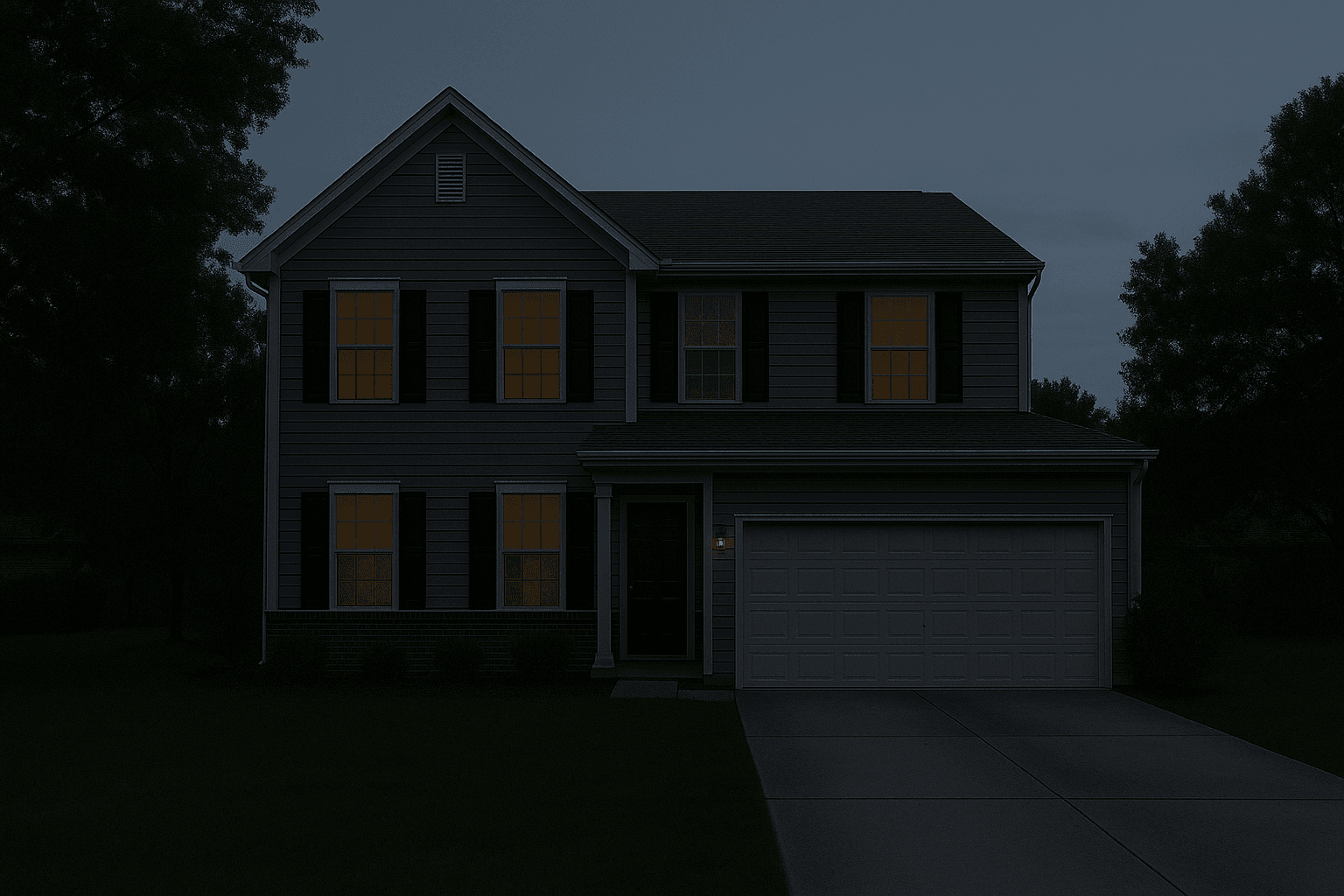
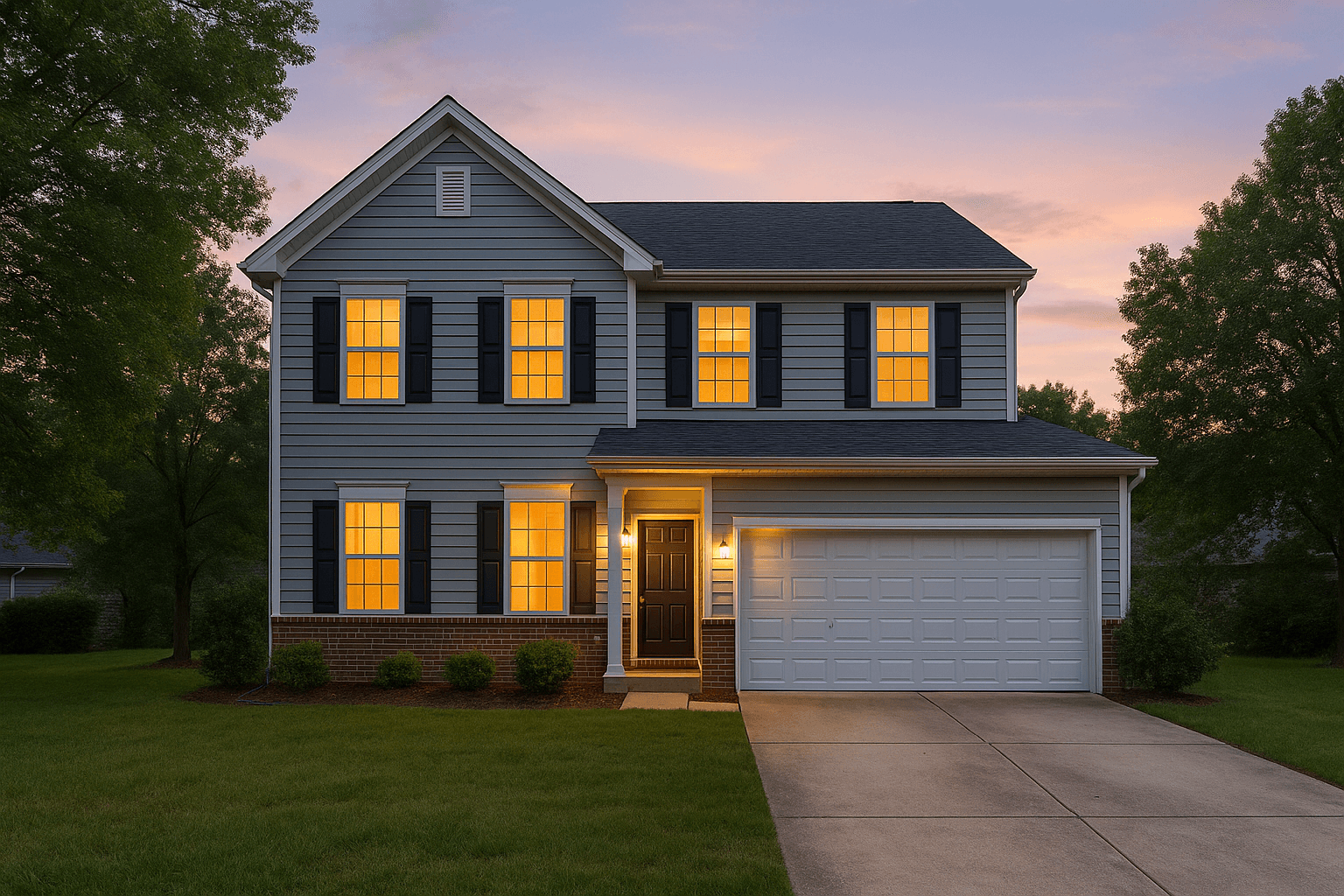
A real dusk shoot means a second trip, a hard deadline, and weather you can’t control. Virtual twilight converts a daytime exterior instead — windows lit from the inside, sky and facade graded together. It’s part of Studio, our AI editing catalog.
From $1.49/image
Questions
What time is golden hour today?
It depends on where you are and the date — golden hour tracks sunset, which moves every day of the year. Enter a city or use your location above for the exact window; as a working rule, it runs from about 75 minutes before sunset until about 15 minutes before.
How long does golden hour last?
Roughly an hour at mid-latitudes, but it stretches and compresses with season and latitude. In northern cities in summer the sun sets at a shallow angle and warm light can linger well past an hour; in winter the same city can lose it in half that time.
What is the best time for real estate exterior photos?
Any time the facade is lit and the sky has some interest. If you can choose, the last 75 minutes before sunset give warm, low side-light that flatters most homes. For an east-facing facade, morning golden hour usually works better than evening.
When exactly should I shoot a twilight photo of a house?
Plan around a window of roughly 25 minutes either side of sunset. The strongest frames usually land 10 to 20 minutes after sunset, when the sky still holds color but is dark enough for interior lights to glow. Turn on every light in the house before the window opens.
What is the difference between golden hour and blue hour?
Golden hour is the low, warm, direct sunlight before sunset and after sunrise. Blue hour is the deep, even sky light after the sun is down, inside civil twilight. Real estate twilight photos straddle the two, which is why this calculator centers the twilight window on sunset itself.
What if I miss the twilight window or the weather turns?
Plan the next attempt rather than the reshoot: photographers on Better Listing Media publish live availability with golden-hour slots, so you can grab the window that actually works. Virtual twilight — converting a well-lit daytime exterior into a dusk photo, sky, facade and window glow graded together — is part of Studio, our AI editing catalog.
More free tools
Better Listing Media
Missed the twilight window?
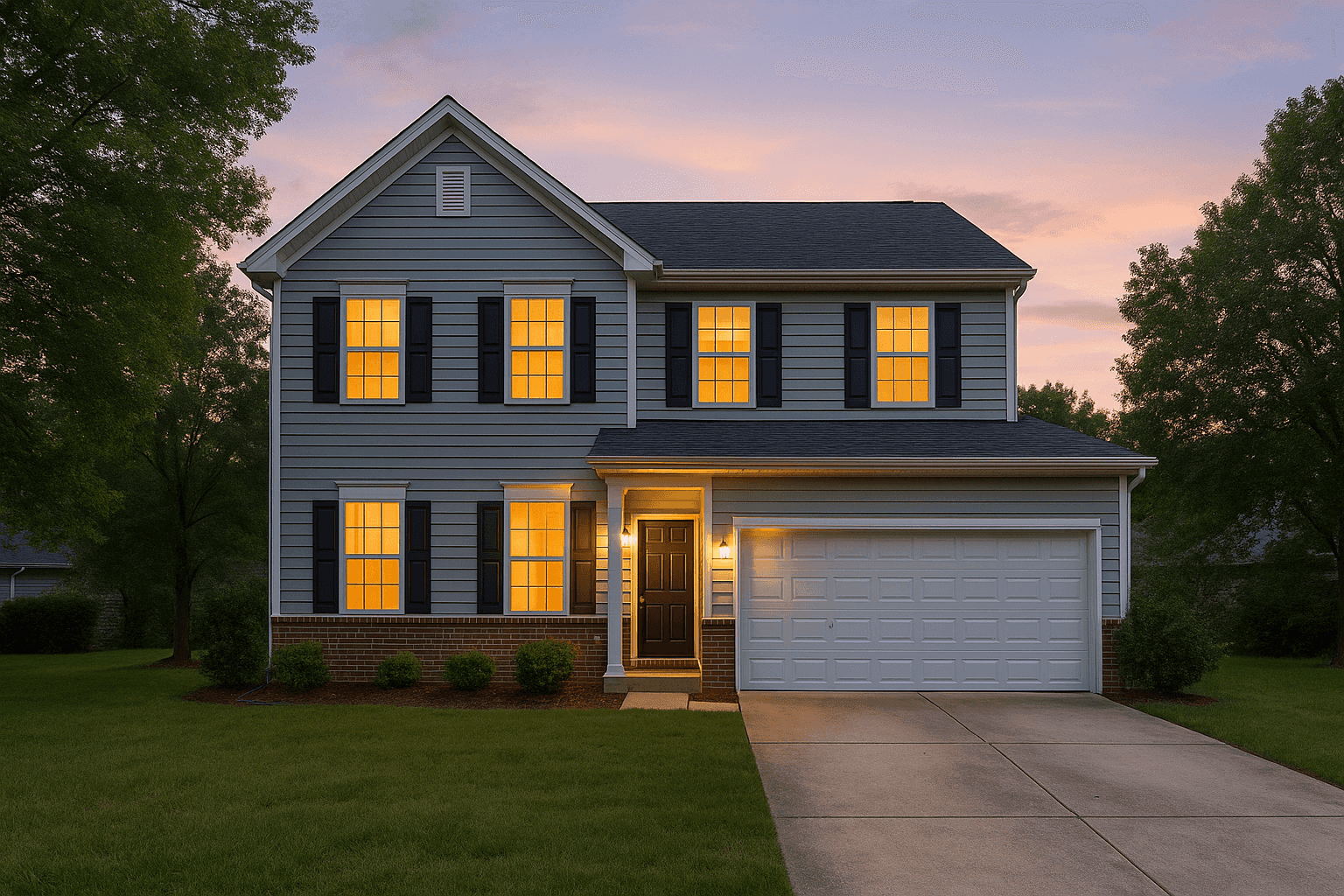
Two ways round it. Photographers on Better Listing Media publish live availability with golden-hour slots computed for the property's own address, so the next attempt is one booking away. And virtual twilight — a daytime exterior converted to dusk in five preset styles — is part of Studio, our AI editing catalog.
No credit card required